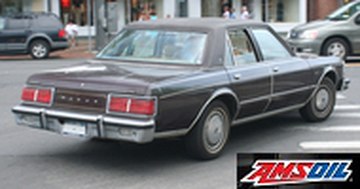
Maintaining Lubrication Standards for the 1981 Dodge ST REGIS 5.2L
Proper engine care for a vehicle of this era requires a focus on consistent monitoring and adherence to specific fluid requirements. For owners of the 1981 Dodge ST REGIS equipped with the 5.2L engine, maintaining the lubrication system is a fundamental aspect of long-term mechanical health. Because older engines often operate under different thermal and mechanical stresses than modern counterparts, a proactive approach to inspection and oil selection is essential.Monitoring Fluid Integrity and Potential Seepage
A primary component of routine maintenance involves regular visual inspections of the engine bay. For an engine from 1981, it is useful to look for any signs of fluid seepage or active leaks around various sealing surfaces. While many older engines may show minor traces of oil residue due to age, significant wetness or dripping should be investigated promptly. When performing these checks, focus on the following areas:- Sealing Surfaces: Inspect the areas where major engine components meet to check for signs of weeping or seepage.
- Drain Areas: Examine the area around the oil drain plug and the underside of the engine for any evidence of recent leaks.
- External Connections: Check various connections and mounting points for any unexpected fluid presence.
Managing Maintenance Records and Service History
For long-term ownership of a 1981 Dodge ST REGIS, establishing a clear maintenance baseline is highly beneficial. If you have recently acquired this vehicle, reviewing any available service records can provide insight into how the 5.2L engine has been treated in the past. Knowing when the oil was last changed, what type of products were used, and if any major repairs were performed helps in planning future service. If documentation is incomplete, you may want to establish your own baseline by performing a comprehensive inspection of all fluids and mechanical components. This allows you to move from reactive repairs to a more organized, preventive maintenance strategy. Keeping a detailed log of every oil change, filter replacement, and observed leak provides a valuable history that can assist in diagnosing future issues or maintaining the vehicle's value.Observing Changes in Lubricant Condition
Beyond looking for external leaks, an owner should pay close attention to the condition of the engine oil itself during routine checks. The appearance and smell of the lubricant can provide clues about the internal state of the engine. If the oil appears excessively dark, gritty, or shows signs of contamination, it may indicate that the service interval has been exceeded or that there is an issue with the filtration process. Furthermore, if you notice any unusual mechanical noises during startup or operation, these should be cross-referenced with your recent maintenance history. While a single symptom does not confirm a specific failure, changes in how the engine sounds or behaves can be early indicators that the lubrication system requires attention.Prioritizing Service Tasks as the Vehicle Ages
As a vehicle from 1981 continues to operate, maintenance priorities may shift based on its current condition rather than just its age. Rather than following a generic schedule, it is often more effective to address active concerns first. This means prioritizing the resolution of any identified leaks or addressing overdue service items before moving on to purely preventive tasks. Effective prioritization involves:- Addressing Active Issues: If a leak or an unusual noise is detected, this should take precedence over other routine tasks.
- Monitoring Consumption: Keep track of how much oil the engine uses between changes to identify potential trends.
- Inspecting Aging Materials: Periodically check the condition of hoses and belts, if equipped, for signs of cracking, glazing, or deterioration.
Selecting Lubricants for Long-Term Engine Health
When it comes to choosing a replacement lubricant, it is vital to match the product to the specific requirements of your application. For an older engine, the choice between conventional oil, synthetic blends, or full synthetic formulations can depend on various factors, including how the vehicle is used and its current mechanical condition. Some high-mileage oil formulations contain additives intended for use in aging engines, and some high-mileage formulations include seal-conditioning additives. These products are designed to address specific characteristics often found in older engines, but they should be selected based on the information provided for your specific vehicle. Always ensure that any lubricant you choose meets the appropriate quality standards and certifications relevant to the engine's design.Practical Guidance for Buying Engine Oil for the 1981 Dodge ST REGIS 5.2L
When you are ready to purchase new oil, do not rely on general automotive knowledge or assumptions based on the vehicle's age. Instead, match the engine oil to the application-specific viscosity information already displayed on this page. Using the correct viscosity is critical for ensuring that the lubricant can flow properly through the engine components under various operating conditions. Before completing your purchase, follow these steps:- Verify Viscosity: Match the SAE grade on the product label to the vehicle-specific viscosity information provided in the application data above.
- Check Certifications: Ensure the oil meets the necessary API service classifications for your engine type.
- Review Formulations: Consider whether a conventional, synthetic blend, or high-mileage formulation is most appropriate based on the specific guidance listed for this 5.2L application.
- Inspect Packaging: Always check the product labels carefully to confirm that the oil in the container is exactly what your vehicle requires.